
Introduction
Cooking a reverse-seared ribeye steak is a culinary process that combines the best of both worlds: low-and-slow oven cooking followed by a quick, high-heat sear. This method ensures that the steak is tender and juicy, while the sear adds that coveted crust. It’s perfect for young professionals who appreciate homemade food but often find themselves pressed for time.

Imagine coming home after a long day, craving a meal that feels indulgent yet easy to prepare. With a few simple ingredients and straightforward steps, you can achieve a restaurant-quality dish in just about 40 minutes. The reverse-sear technique not only elevates the flavor of the ribeye but also allows you to control the doneness with precision, making it easier to impress family or friends.
So, why choose a reverse-seared ribeye steak? This cooking method enables even heat distribution, resulting in a beautifully cooked steak from edge to edge. The final sear locks in the juices, giving you a steak that is both flavorful and visually appealing. Give it a try and enjoy the delicious results of your efforts!
Key Ingredients
Ribeye Steak
The star of the show, a ribeye steak is known for its rich marbling and tenderness. This cut offers a perfect balance of flavor and juiciness, making it ideal for the reverse-sear method.
Salt
A key seasoning that enhances the natural flavors of the ribeye. Generously salting the steak before cooking helps to draw out moisture and infuse the meat with flavor.
Pepper
Freshly cracked black pepper adds a subtle heat and depth to the seasoning. It complements the ribeye’s rich flavor without overpowering it.
Butter
Used for basting during the searing process, butter adds a rich, creamy flavor to the steak. It helps achieve that golden-brown crust we all desire.
Garlic
Garlic infuses the butter with aromatic flavors. Adding it during the sear elevates the taste of the steak, providing a savory aroma that’s hard to resist.
Fresh Herbs
Herbs like thyme or rosemary can be added to the basting butter, lending a fragrant touch to the dish. They enhance the overall flavor profile and add a fresh element to the rich ribeye.
Using high-quality ingredients is essential for achieving the best results in your reverse-seared ribeye steak. Each component plays a crucial role in creating a delicious and memorable meal.
Why You’ll Love This Recipe
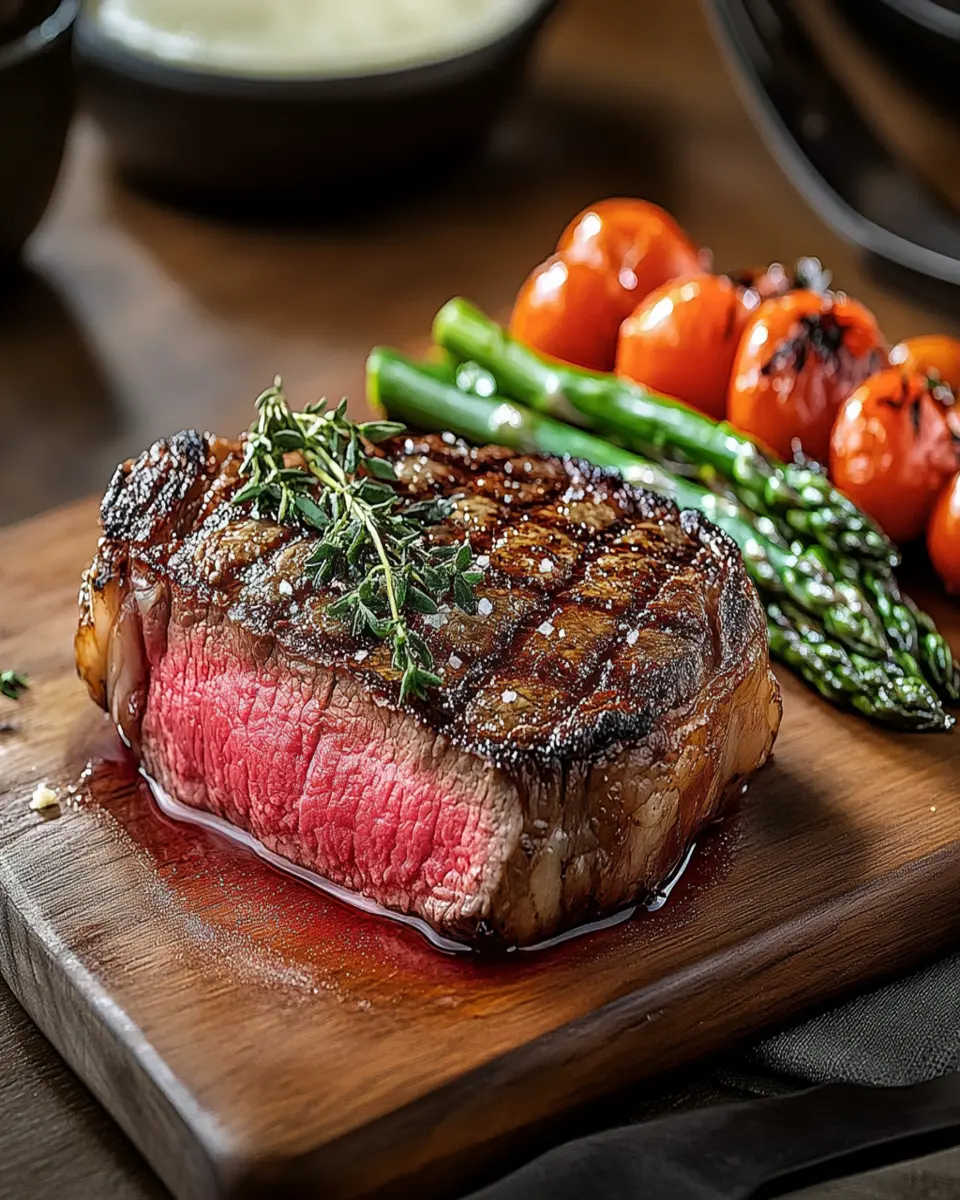
Cooking a reverse-seared ribeye steak is a game changer for anyone who loves a perfectly cooked piece of meat. This method not only delivers a tender and juicy steak but also enhances the flavor with a beautiful crust that forms during the searing process. Imagine biting into a steak that is not only flavorful but also cooked precisely to your liking—that’s the beauty of the reverse sear!
For young professionals and homemade food lovers, this recipe is a lifesaver. It requires minimal prep time, with just 10 minutes before it goes into the oven. The low-temperature cooking ensures even heat distribution, allowing you to enjoy a steak that’s as good as any restaurant version. Plus, the final sear in the skillet, enhanced with butter, garlic, and fresh herbs, adds a gourmet touch that makes it feel like a special occasion.
Ultimately, this dish is about convenience without compromising on flavor or quality. Whether you’re making dinner for yourself or entertaining guests, the reverse-seared ribeye steak will impress everyone at the table. So why wait? Dive into this recipe and savor every delicious bite!
Variations
Herb-Infused Steak
For a fresh twist, consider adding different herbs to the butter during the searing process. Herbs like rosemary, thyme, or even a hint of oregano can elevate the flavor profile of your reverse-seared ribeye steak, lending a fragrant aroma and enhancing the overall taste.
Spice It Up
If you enjoy a bit of heat, try incorporating spices such as smoked paprika or chili powder into your seasoning mix. This adds depth and a subtle kick, transforming your steak into a bold and exciting dish that will impress your dinner guests.
Marinades and Glazes
Alternatively, marinating your ribeye steak before cooking can introduce a whole new level of flavor. A simple marinade of balsamic vinegar, soy sauce, and a touch of honey can create a sweet and savory glaze that caramelizes beautifully during the searing stage. This method is perfect for those who love experimenting with flavors while cooking.
Every variation adds its unique twist to the classic reverse-seared ribeye steak, allowing you to tailor it to your taste preferences. Whether you prefer it herbaceous, spicy, or sweet, these variations ensure a delicious dining experience every time.
Cooking Tips and Notes
Choosing the Right Ribeye
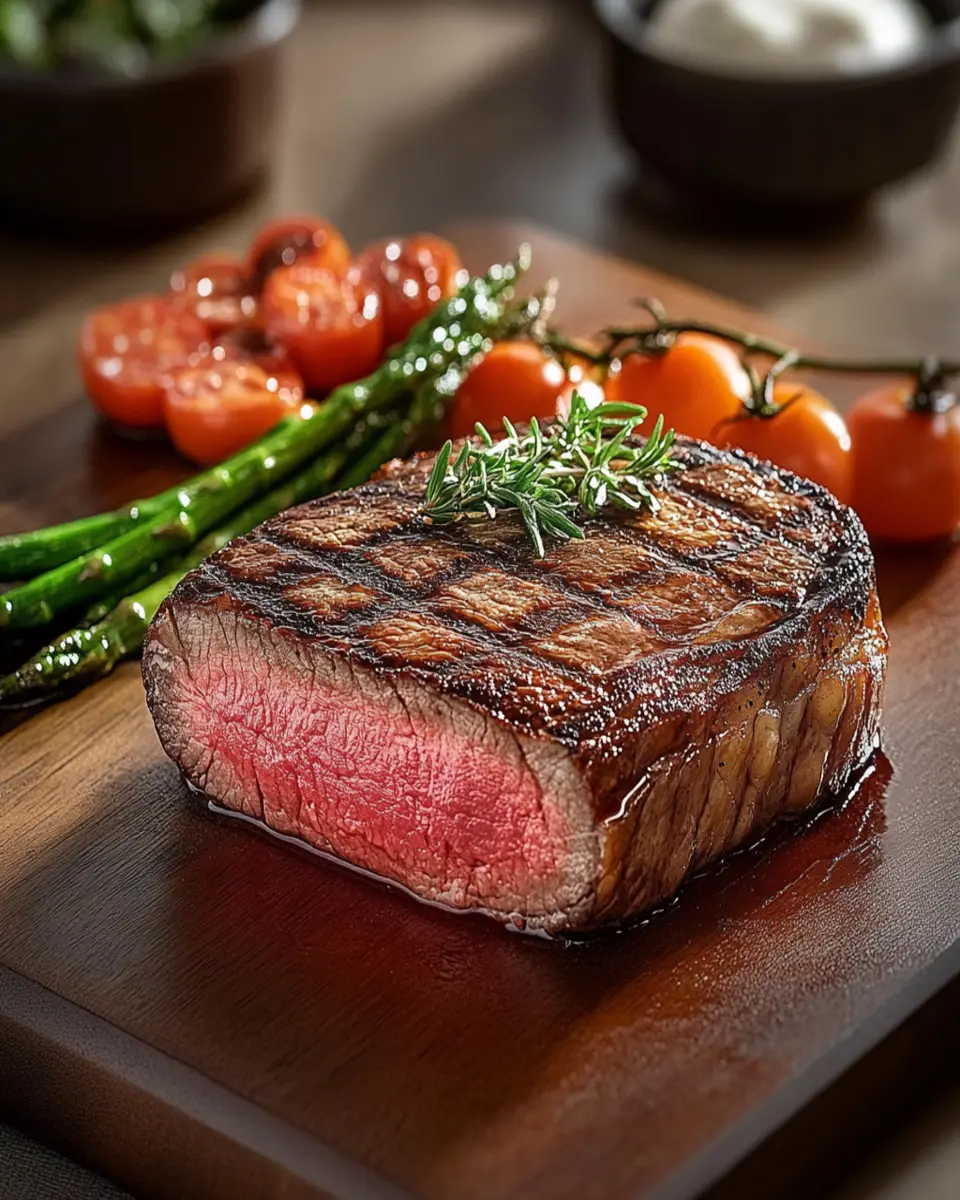
When selecting your ribeye steak, look for one with good marbling. This intramuscular fat is what makes the steak juicy and flavorful after cooking. A high-quality ribeye will ensure that your reverse-seared ribeye steak is tender and delicious.
Mastering the Reverse-Sear Technique
The reverse-sear method is all about patience and precision. Start by preheating your oven to a low temperature to gently cook the steak evenly. Use a meat thermometer to monitor the internal temperature closely, ensuring you reach the perfect doneness before the final sear.
Resting Is Crucial
After cooking, let your steak rest for at least 10 minutes. This step is essential as it allows the juices to redistribute throughout the meat, resulting in a more flavorful and juicy steak. Don’t skip this part, as it can make a significant difference in your final dish.
Searing to Perfection
When you sear the steak, make sure your skillet is hot enough to create a crust without overcooking the interior. Adding butter, garlic, and fresh herbs during this stage not only enhances the flavor but also helps create that mouthwatering crust that everyone loves.
By following these tips, you’ll not only master the reverse-seared ribeye steak but also impress anyone lucky enough to share your meal!
Serving Suggestions
Complementary Sides
Pairing your reverse-seared ribeye steak with complementary sides can elevate your dining experience. Classic options include creamy mashed potatoes or a vibrant garlic butter asparagus. These choices balance the richness of the steak while providing texture and flavor contrast.
Fresh Salads
A fresh salad can also enhance your meal. Consider a simple arugula salad with lemon vinaigrette or a hearty Caesar salad to cut through the richness of the steak. The brightness of the greens will refresh your palate and add a delightful crunch.
Sauces and Condiments
Experimenting with sauces can add a whole new dimension to your ribeye. A classic chimichurri or a rich red wine reduction can complement the meat beautifully. For a more decadent option, consider a creamy peppercorn sauce that adds a touch of luxury to your meal.
Wine Pairing
No steak dinner is complete without the perfect wine. A full-bodied red wine, like a Cabernet Sauvignon or a Malbec, pairs wonderfully with the robust flavors of the ribeye. These wines enhance the overall experience, making each bite more enjoyable.
By thoughtfully selecting your sides, sauces, and beverages, you can create a well-rounded meal that showcases your perfectly cooked reverse-seared ribeye steak.
Time Breakdown
Preparation
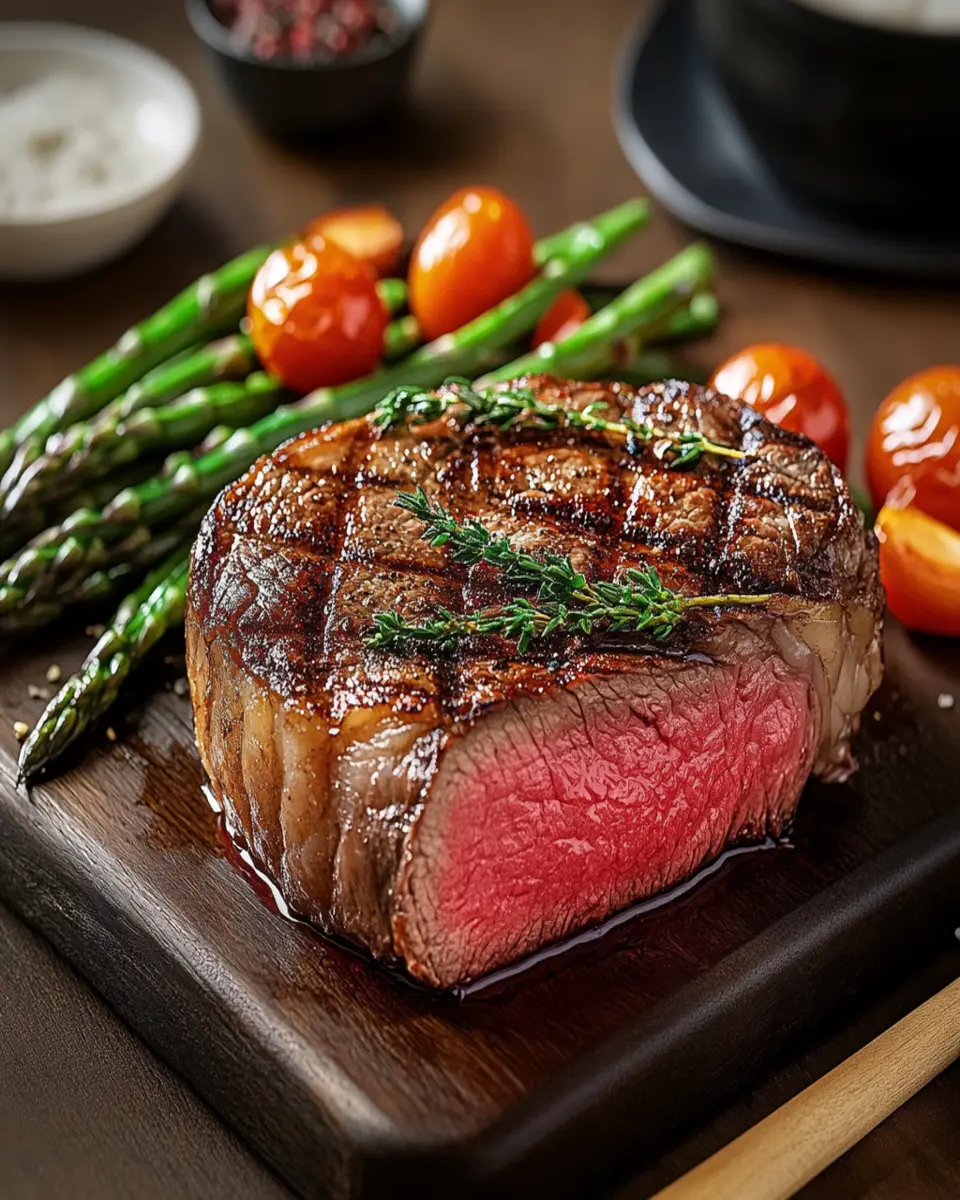
The preparation for your reverse-seared ribeye steak takes about 10 minutes. This includes seasoning the steak and preheating the oven.
Cooking/Baking
Cooking the steak in the oven takes approximately 30 minutes, depending on your desired level of doneness. Monitoring the internal temperature is key to achieving the perfect result.
Total
In total, you can expect the entire process to take around 40 minutes from start to finish.
Efficiency Tip
To save time, ensure that your ingredients are ready to go before you start cooking. This will streamline the process and make your cooking experience more enjoyable!
Nutritional Facts
Overview
The reverse-seared ribeye steak is not just a culinary delight but also packs a nutritional punch. Each serving of this flavorful dish contains a substantial amount of protein while keeping carbohydrates to a minimum, making it ideal for those following a carnivore diet or simply looking to enjoy a hearty meal.
Nutritional Breakdown
In one serving of this reverse-seared ribeye steak, you will find approximately 800 calories, which primarily come from its rich fat content. The steak boasts 60 grams of total fat, including 25 grams of saturated fat, which contributes to its juicy texture and flavor. With 60 grams of protein, it serves as an excellent source of energy and muscle-building nutrients. Additionally, it contains 180 milligrams of cholesterol and only 60 milligrams of sodium, making it a satisfying yet relatively low-sodium option.
Overall, this dish is perfect for young professionals and homemade-food lovers who appreciate flavorful meals without excessive carbohydrates.
FAQ based on “People Also Ask” section
What is a reverse-seared ribeye steak?
The reverse-seared ribeye steak is a cooking method that involves first baking the steak at a low temperature in the oven and then searing it in a hot skillet. This technique ensures that the steak is evenly cooked and retains its juiciness while developing a delicious crust.
How do you know when the ribeye steak is done?
To check for doneness, use a meat thermometer. For medium-rare, aim for an internal temperature of about 130°F (54°C) before searing. Remember to let the steak rest after cooking, as it will continue to cook slightly from residual heat.
Can I use other cuts of steak for this method?
Yes, while the ribeye is ideal due to its marbling and flavor, other cuts like sirloin or filet mignon can also be reverse-seared. Just keep in mind that cooking times will vary based on the thickness and type of cut you choose.
What are some good sides to serve with reverse-seared ribeye steak?
Complement your steak with sides like garlic mashed potatoes, sautéed asparagus, or a fresh arugula salad. These sides balance the richness of the steak while providing delicious textures and flavors.
This section provides insights into common questions about preparing and enjoying a reverse-seared ribeye steak.
Conclusion
Cooking a reverse-seared ribeye steak is not just a culinary endeavor; it’s an experience that can transform your dining table into a gourmet feast. With its tender, juicy interior and perfectly crusted exterior, this method guarantees a steak that rivals any restaurant. For young professionals and homemade food lovers, this recipe is not only straightforward but also allows for delicious customization.
As you savor each bite, you’ll appreciate the meticulous process that goes into creating such a meal. The reverse-sear technique ensures that every morsel is infused with flavor, while the resting periods enhance the steak’s juiciness. Don’t forget to experiment with different seasonings and sides to make this dish your own.
So, gather your ingredients, follow the steps, and enjoy your perfectly cooked reverse-seared ribeye steak. Whether it’s a weeknight dinner or a special occasion, this recipe is sure to impress. Cook, share, or save this recipe for your next culinary adventure!
Print
Reverse-Seared Ribeye Steak
- Total Time: 40 minutes
- Yield: 2 servings 1x
- Diet: Carnivore
Description
A delicious reverse-seared ribeye steak that is tender, juicy, and perfectly cooked.
Ingredients
- 1 ribeye steak
- Salt
- Pepper
- Butter
- Garlic
- Fresh herbs
Instructions
- Preheat the oven to a low temperature.
- Season the ribeye steak generously with salt and pepper.
- Place the steak on a wire rack and cook in the oven until it reaches the desired internal temperature.
- Remove the steak from the oven and let it rest.
- In a skillet, melt butter and add garlic and fresh herbs.
- Seer the steak in the hot skillet for a crusty finish.
- Let rest again before slicing and serving.
Notes
- Make sure to get a high-quality ribeye for best results.
- Resting the steak is essential for optimal flavor and juiciness.
- You can adjust the seasoning according to your preference.
- Prep Time: 10 minutes
- Cook Time: 30 minutes
- Category: Main Course
- Method: Oven, Stove
- Cuisine: American
Nutrition
- Serving Size: 1 steak
- Calories: 800
- Sugar: 0g
- Sodium: 60mg
- Fat: 60g
- Saturated Fat: 25g
- Unsaturated Fat: 30g
- Trans Fat: 0g
- Carbohydrates: 0g
- Fiber: 0g
- Protein: 60g
- Cholesterol: 180mg